|
| |
|
|
 |
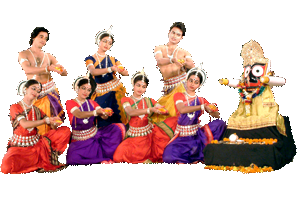
Classical dance in India evolved as a spiritual expression of devotion to the Higher Being. Odissi, a graceful classical dance form was therefore nurtured in the famous shrines at Orissa. A large number of dancing girls known as Maharis were attached to these famous shrines to form the morning and evening rituals of the deities. Its tradition was thus maintaining through generations of these devoted temple-dancers. |
 |
| THE STYLE |
Odissi dance is distinguished and differentiated from other schools of dancing by its elaborate grace and charm. The characteristic features of Odissi are it its deflection of the hip, the stances like Chauka and Tibhanga ( three bo bend) arch wise designs of hand movement and rounded liquid body movement . It is full of sculpturesque poses known as Bhangis. |
|
|
|
ODISSI DANCE REPERTOIRE MANGALACHARAN
A performance of Odissi customarily begins with Mangalacharan, an expressional piece offering prayer to Lord Jagannath, Lord Ganesh and other deities. In this item, the dancer seeks the blessings of the Gods, the Gurus and the best wishes of the audience for an auspicious beginning.
BATU
This is a pure dance offering in honor of Lord Batuka Bhairava, one of the many forms of Lord Shiva. Batu Nrutya is marked for its sculpturesque poses. Uncanny rhythmic pattern is also worked out elaborately in different passages of this dance.
|

|
PALLAVI
'Pallav ' means elaboration. It is another item of pure dance with movements of lyrical grace. It is based on a melody (Raga) which is soft, lilting and melodious. Beautiful dance passages run parallel with rhythmic syllables sung musically.
ABHINAYA
'Abhinaya' literally means to act, therefore it is an expressional dance. Here the songs are interpreted with hand gesture (mudra) and facial expressions depicting the emotions. The songs are mostly written in Sanskrit and Oriya by the famous composers of the medieval age.
|
MOKSHYA NATA
Indian philosophy expounds that all human activities tend towards 'Moksha' meaning 'salvation'. The pure dance of ecstasy that liberates the dancer towards this goal is known as Mokshya Nata. This is a fast paced rhythmic dance, which concludes the programme. |
| |
|
| |
|
|
| |
|